Tuesday, April 30, 2019

Evangelism: Five Simple Acts We ALL Can Do!

If you have ever shared your faith or just invited someone to church you know that it’s not an easy task. I’ve been there as well. I’ve gone to special classes and have been challenged by sermons and motivational speakers. I have listened to my pastor express the importance of sharing my faith.

Many use passive-aggressive tactics to let someone know that they are a Christian.

You’re sitting at a restaurant and just as you get up to leave you Place on your table what appears to be a $50 bill. You think to yourself, "There I’ve done that, the Bible track will make a difference." What you left behind was a biblical track that appeared to be $50 but when you open it the message reads, "Your soul is worth far more."

What you and I often do is think that if you leave subtle clues that somebody will come to Christ and you can justify your actions. The truth is, passive-aggressive actions don’t work. Leaving a Bible track alone is not the way we fulfill the great commission.

Often we feel as if we are not doing enough.

Another tendency that we all may do this feel compelled that we should do something more than just share our faith. Of course should you actually share your faith any action would be positive and fulfilling. The truth is, often we use methods that are clear about our motivation for our action.

So you give a few bucks to someone in an act of charity. Of course that person is grateful because the need is greater. Yet, all they know at this point is that you are a nice person, generous, and you did a nice act of kindness. 

Without clearly identifying your motivation, this is just an act that makes you feel better.

Much of what motivates us to share our faith is guilt.

This leads me to talk about the third point I want to share. We are motivated to act but we Respond and guilt. We know what the Bible tells us to, "go" and share our faith and we’ve heard sermons that compel us. Yet, or motivation is one of guilt and self righteousness.

Hold up your hand. Count your fingers. There are five ways we can share about Christ that makes a difference. I want to share with you that we can all fulfill the great commission through developing a relationship with another person as well as clearly demonstrating that our motivation is love.

A. Pray. -- God hears us & answers prayer!

We know that every good and perfect gift is from God. We know that our faith compels us to believe that as we pray, God hears our prayers. This is the first act of evangelism. We plead on behalf of others for God to save and redeem those that we interact with.

This first finger that we may use to count is our pointing finger. This is the finger often pointed at others when it should be pointed to God.  We can demonstrate our faith and thus our belief to a non-believer by simply asking them, "How can I pray for you today?"

Prayer is at the very beginning of a relationship because it is neither compelled by guilt nor motivated by self righteousness. It is often judgment the people here but in a genuine concern in prayer we point to God and ask of Him. It is demonstrated out of love. It is not passive-aggressive because we are entering into a spiritual context of our relationship with another person. If we demonstrate true humility as we ask for the opportunity to pray for someone, we bring someone into the encounter of the living God.

I have had no one ever turned me down when I simply ask, "How may I pray for you." Often I pray while they are with me and it’s clear that it is a ministry to their spirit. Often people have cried because of the wearysome burdens that they carry with them.

B. Share His Word. -- God’s Word NEVER returns void!

Certainly you can share the gospel through the word of God with somebody that you have just met. Often we get the idea that we need to gain trust or a relationship so that we could speak about biblical matters. The truth is that there is often a cop-out in a way to delay the work of God’s word and the life of another.

Somehow we believe that God‘s word is not enough or that we need to put it in some context but in reality if we share God‘s plan and God‘s promise it will not be done in vain. I believe God’s word never returns void. Perhaps it’s an issue of faith for us to believe that God‘s truth needs us to interpret but in reality we need to get out of the way.

I’ve heard people tell me, and try to convince me that they have to spend weeks and even months getting to know someone before telling them the good news. This is a trap. This is the belief that you are more important than God‘s word. It’s a believe that you are more powerful than the Holy Spirit. It’s a false teaching that says that someone may reject you and consequently reject God. Put aside your ego!

Memorize a plan or several scriptures that have been most meaningful to you. One of the scriptures that has been my life verse is out of the book of Philippians. It tells me every day that, "He (God) who began a good work in you will carry it on to completion…" I will often use God‘s promises that have brought me hope and healing. I have often spoken of in scripture that is helped me during a difficult decision or a stressful moment. The bottom line is that I am weaving my testimony in to my remembrance of scripture and God‘s Word never fails.

With our second finger we can count. Holding up two fingers often represents peace. The Word of God is disarming and should bring peace.

C. Testimony. -- Telling my story in an elevator speech.

This brings me to the next way of evangelism. Sharing your story of what God is doing in you will make a difference. It is taking time to tell how God has helped you. It is taking time to share about a time when your needed God’s help and He was there for you. Whatever the story line, God will use it to help others see and hear the impact of God at work in you.

People need to see how God is working and your story adds to these messages that the Holy Spirit will use to change lives. People have a longing to know the work of God. They will likely make immediate application to their lives. Keeping the story of hope alive is demonstrated through your story.

Stay within a short "elevator speech" time-frame. People don’t need your political views. People don’t care how you voted in the last election. People don’t need your story to begin with, "When I was a child...." The elevator speech is a message or short testimony that is a 30-second statement about how your found peace in Christ. You may want to practice by writing it out and committing it to memory. The elevator speech is a discipline that keeps you from preaching sermons or stating only opinions.

Keep your message positive. Follow themes that everyone can relate to and want to hear. Topics like hope, peace, love, and joy to name a few.

Holding up three fingers should be your reminder that three minutes is all you need to share your testimony and ask a good question that tells someone that you are concerned about them. Any longer than that and it becomes a sermon, a lecture, and most people are too busy to hear more! Yet, if done correctly it will open up a door where you can share more later.

D. Love Appropriately. -- Agape Love is central to the heart of God.

When we say we love someone but we do not demonstrate appropriate love we make a mockery of the sacrifice that Jesus provided for us on the cross. Appropriate love are two words I used together because the definition of love is used in many hurtful ways. Some people use it to manipulate others or to cast fear upon them by making them do inappropriate acts defined as love. When we witness we must care for someone and elevate their status while presenting ourselves as a humble servant.

Nothing amazes me more than when I hear and even witness Christians who demand their rights in the public square. Nothing makes me more frustrated to hear about how our waitress was belittled or insulted because a Christian didn’t get the meal they felt they deserved and had requested. It is all too familiar on Sundays when I’ve been told by waitresses that it is the worst day of the week when "those Christians" come in after being at church. One waitress told me, "They are very demanding People and they leave little to no tip." Unfortunately this is not a rare occasion.

Demonstrating appropriate love in the day and age we live is so vital. So many of those to represent the Christian faith and even those in the profession of clergy and Pastor are making headlines today because of their inappropriate behavior. Yep beyond that we can all stand with an indictment because we haven’t done well to understand God‘s version of love called, "Agape".

Gods definition of love was demonstrated by Christ and was clearly understood by the disciples. If we stopped to really think about God’s grace toward us it would truly humble us because we all need forgiveness. Agape is unconditional and selfless love that we need to demonstrate each and every day. If we demonstrate it well it is very likely that people will remark about how different we are and therefore be a witness for Christ.

E. Be Kind in Tangible Ways. -- Being the hands & feet of Jesus make Him real.

I was standing outside a restaurant getting ready to go in one day when I saw a man standing at the door. I didn’t really think much about it as I approached him but then it came to me that he was looking for someone to give him a handout.

I was at a fast food restaurant one day in the city nearly 500 miles from home. I was a stranger. I noticed a woman who appeared homeless and hungry. I invited her to join me in the restaurant and that I would be willing to buy her anything she wanted on the menu. Humbly she stated that she would only have a small drink and a simple hamburger. I repeated to her that she could have anything on the menu and that price was not a concern for me. After ordering one or two more small items she quietly whispered, "thank you." I asked her if I could pray for her as we placed our order. I prayed out loud for her to which she responded very graciously. As I ended my prayer I looked behind me and to my surprise there was a long line of people patiently waiting yet bowing their heads in prayer.

I tell you those stories not to impress you but as examples of how this and other acts of kindness, though simple can witness for Christ. While others simply rush through their day and pass by the hurting, and at times even I am in that group, we need to be reminded that simple acts of kindness done in the name of Jesus echo for eternity.

This fifth reminder is likened unto an open hand as you count one, two, three, four, five. As the world clinches it’s fist and may even shake their hand at God our simple and selfless acts of kindness releases the power of God‘s love and causes many to relax and open their hands to receive.

We don’t have to be a rocket scientist or a clever individual, we just simply need to respond as Jesus would to those who are hurting. Each of these five can stand on their own and you may even find one more comfortable than the other. It’s important that you do not neglect the opportunity when it is in front of you or even if you must go out of the way to find that opportunity.

Recently I had the opportunity to hear Dr. Mitch Kruse, Restoration Road. His latest book tells us that we can do a better job witnessing if we simply ask questions. We are quick to give answers but what if we, as Kruse says, "put the verb at the beginning of the statement and end it with a question mark." Check out his new book, "Street Smarts from Proverbs."

Sunday, April 28, 2019

Prison. If I Could Have Taken You With Me.

Imagine seeing yourself on the journey I am going to share with you. It may be hard for many. It may be easy for some who already know what it is like to be a prisoner. Yet, all of us need freedom in Christ from something. I’m getting ahead of myself. Let me start the journey and begin to paint the picture for your imagination as you see yourself joining me in prison.

The afternoon that began a three day journey started, for us in prayer. The day was going to be a good day. As we approached the Miami Correctional Facility my heart began to beat faster and faster as I thought about the opportunity that awaited us. Some of us chatted while others told stories of having done this before. I reflected on some of my years having visited some of the largest prisons in America and spending weekly visits in the local county jail teaching classes and getting to know those behind the heavy iron doors. Nothing could really compare with this experience; this journey is called, Kairos.

We, on the outside of prison as well as those inside mark our time with calendars and clocks. This is called "Kronos" time. On the outside of prison we can fill it with activities of fun and work, projects and recreation. On the inside it could also be wasted but time means something else. For many, it is about "doing time". Most recognize that their prison sentence behind bars is required to fulfill time because of something that was wrong, something that they may have done that required a judge to pronounce a sentence that began the clock for them. As the gavel fell the hollow echo pierced their ears and their time begins. Bitterness, anger, rage, fear, hurt, and rejection are all part of the experience as every emotion floods their soul with despair.
Our group walks in through the front doors of prison; entering through the large metal doors we experience an atmosphere that is stale and cold. Those cold steel doors and metal detectors provide our welcome and as we approach the guards we sign ourselves in to begin the process of being brought through the gate.

Prisoners are brought through a different gate and while there are some comparisons that mirror the one that we experienced, it is also very different for them. It is a stale and cold beginning. For them however, they are brought to the prison where they will exist for years to come. Every day their freedom will be lost. They enter, not of their own free but of one assigned with them along with their number. They receive very few items that are given to them, and they are assigned where they will sleep, when they will awaken, what they will do, and their new experience will eventually become a daily routine that many men and women could not deal with. I know for me, I would likely go insane because of the feelings of despair and emptiness; it fills their mind with nothing else but an empty and hollow existence.

There is another time that we call Kairos time. This journey that we take will intersect with the journey that many are already on. This time is not measured by clocks in calendars but it is gods time. It may be an appointed time and our mind cannot comprehend it. This is a time thar God determines. Through the journey of life we often avoid it and may even reject it but there is a time that God determines is the right time, when a good outcome can happen if we let Him.

For this reason, we enter the prison doors. We hope to set men free but not from the prison gates but the chains and walls that have held them as prisoners, yet many for their entire life. Many are fatherless. Many have had loss. Many have been rejected. Many have been betrayed. Many have wounds that have not healed while everyone has scars that tell stories.

We lineup as we begin with introductions. Each of us have been assigned to welcome a prisoner we call our "guest". As their name is called, the room of men irrupts in a torrent of cheers and applause. This is how we welcome our guests. We get them their favorite drink which could be coffee, orange juice, or fruit punch. We make a introduction and we hand them a name tag and we get them their favorite drink which is usually a cocktail of a blended kind. One takes their coffee with five creamers and five sugars. Another says I would like a mixture of red fruit punch with orange. Some want a blend of hot cocoa and coffee. Whatever they want we make every effort to memorize it so that the next day we are prepared with their favorite drink in-hand as their name is called.

Throughout the day and the days to come over the weekend that we meet together, we exchange questions and get better acquainted with one another. We asked questions about their favorite meal or their hobby or job. We will make it as normal of a conversation as we can. We even share bits of information about ourselves so that they feel comfortable with us. We never asked them anything about why they’re in prison and even if they share that information we tell them that here that does not matter.

There are chapel times and teaching times. But the best part is that we are feeding them both spiritually as well as physically. The man I’ve already heard that we bring in home-cooked meals, and incredible stories are told. The first day and a half a man over eat because this is the first real food that they have had in a long time. Their food does not even compare with what we feed them. Goes on the outside pray continually as they prepare delicious meals and track them over to the prison so that there are no delays in delivering hot food for the men to consume.

There are several that teach throughout the weekend with a time of discussion around the tables. There are times for fellowship which eventually feels like home because it is a safe place for them to tell us their story and tell of their deepest wounds. These are sacred times because they have told no one before and feeler yet as they gain further trust in our relationship.

Imagine yourself being there. See yourself as one of us. Can you smell what we smell? Can you see what we see? Can you hear what we hear? All of our senses are on alert because we don’t want to miss the miracles that are to happen in the lives of each man. Some of the miracles we saw was hardened men confess their sin and receive a freedom that only God can give through Jesus Christ.

One man told of a time when he tried to commit suicide while on the outside. He was a hunter and fisherman. He loves the outdoors. He had purchased a new rifle for hunting years prior. "It was a perfectly designed rifle," he told me. He described how this rifle never missed his target; deer, small game, and targets practice. At his lowest he took that rifle in an attempt to end his life using his rifle. After coming to a new relationship with Christ over the past few days he recounted that negative experience. He explained how low he had gotten to. He summarized his testimony by saying, "The only time that rifle ever misfired was that time when I put the barrel under his chin. Click, Click. It didn't fire." 

His testimony was more complete when he said that through Kairos, he now understands that God had another appointed time in mind for him. He shared, "The rifle didn't fire because I needed to be at Kairos to receive Christ for the very first time ever."

Nothing can prepare you for the reaction of the men when we bring out the meals. They haven’t had real milk in years. They haven’t tasted real meat in years. They haven’t had the amount of food that we serve in years. Some don’t know how to respond except to eat as much as they could consume. They eat the fresh baked cookies, they asked for seconds of every cocktail of kool-aid and coffee and hot cocoa that we could provide. They haven’t eaten like this in a long time.

Most have waited two or three years to get to this moment. They have waited a long time to arrive at this appointed time we call Kairos. These are our guest. We don’t see them as prisoners because at the foot of the cross the ground is level. We see ourselves in their eyes. We know our sin yet they were caught. We realize the transgressions in our lives but our guest are paying the price for those transgressions in their lives.

We who have planned and prayed watch with great eagerness as the shell of each man slowly begins to come to life again. We watch as they are hard and protected self slowly takes down their wall that they build with their own hands to attempt to protect themselves from any further disappointment or pain or rejection.

They built these walls with their own hands to attempt to protect themselves from any further disappointment or pain or rejection. They discover that their wall was built with stones that were familiar to them. Stones like selfishness and greed. Stones that were polished and cared for. Perhaps their favorite stone is what they lay upon is pride. They are taught new lessons about how the stones were not built by God but that God wants to tear down that wall, stone by stone so that He could reach them and He could care for them and pierce their heart of stone.

Slowly they share their story and slowly they trust us with some things that have told no one!  They eventually learn that we are a safe person to share things with. Eventually they learn to feel our sincere heart of love.

The cookies are their favorite. In this particular weekend we brought over 2,500 cookies for them to enjoy. Any leftover cookies we deliver throughout the prison to others who are incarcerated in the various cell-blocks of prison life. Everyone in the prison knows about the cookie drop and most wait six months to receive one dozen fresh baked cookies.

By the time the men begin to share their stories and testimonies of what God has done in their lives there is an overflow a genuine tears and life change. There is not a dry eye in the room because we have the opportunity to see miracles happen before us.

The men, and the women that do this are overjoyed. Hugs coming easy and laughs are plenty. We spent months praying and preparing in hopes that it will make a difference for Christ in the lives of our guest that will last a lifetime. It’s amazing to me how incredibly humbled I am to have been a witness of this incredible experience.

I hope you were able to join me in your mind’s-eye. I hope that you could begin to feel what we feel. For each of these men and our leaders we become a family. We call each other brothers in Christ. We remind the man that God has unconditionally forgiving them and challenge them to forgive  themselves and others. Perhaps the most difficult challenge for them is being able to forgive themselves. The transformation occurs once they receive Christ and begin to forgive themselves.

The Kairos experience in the prison hopes to introduce Christ to the men (and women) by helping them to receive His grace and forgiveness. It is also a way for our guests to forgive themselves and others. This message is not just for those on the inside but available to all.


Wednesday, April 03, 2019

Silence Everyone!

- By Rick Carder

We live in a noisy world. There are so many distractions and interruptions in our day that it’s crowding out our free time. Most homes have an average of four televisions and with the growth of mobile devices it seems as if we are always online. In our cars we turn on the radio and in our offices we need background noise. We are contributing to the volume of noise that creates decimal levels that can permanently damage our hearing.

There are times when even the crises of life impact our perspective of God. We are tempted to allow the storms of life to steal the calm of His presence in our lives.

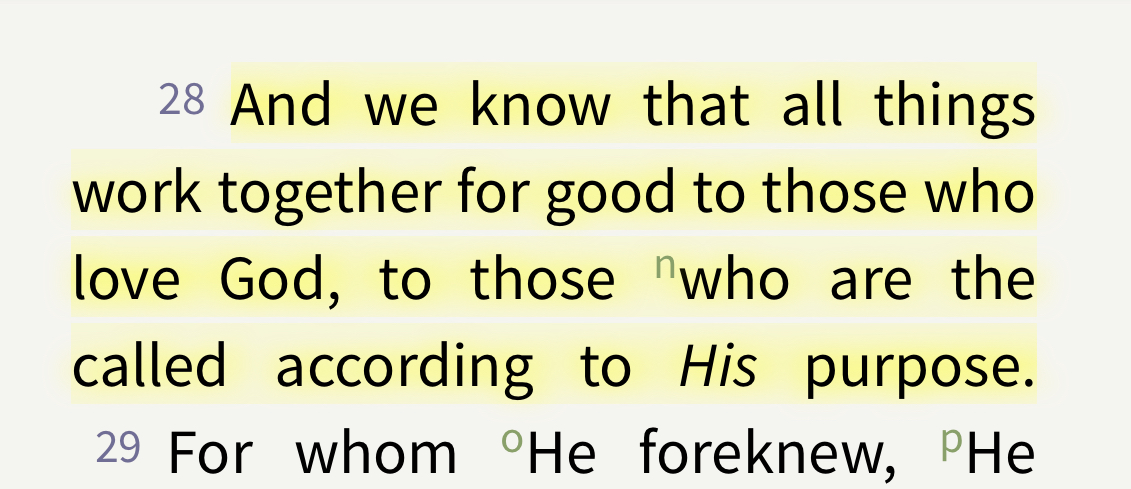
Roman’s 8:28
My family lived in the west suburbs of Chicago where the planes flew over our home every 15 seconds. We were in the direct path to O’Hare airport which was at the time the busiest airport in the country. When we first moved there we seem to notice the planes all the time but the longer we live there the more they just became the background noise. It was the noice that drown-out our quiet time. After a while we hardly noticed the noice at all. That became just as true about the highway traffic where the sounds of vehicles on our street next-door & the roar of the highway several miles away. Noise was all around us.

In the storms of life we are reminded that God is in control. As Romans 8:28 reminds us that "...all things work together for good..." Just as in crisis and in our busyness, we are missing out on God’s plan for our lives.

Our lives are just as busy, filled with all kinds of activities that seem to force itself upon us. Whenever we would go out-of-town we would often remarked about how quiet it was. Most remarkably was during tragic days of 911 when all of the airtraffic were grounded. The silence was nearly deafening. We grew so used to the noise of the engines that when they were silenced it was eerie.

We call this phenomenon "White Noise", when the piercing roar becomes the background and overtime we learn to tune it out. At first during the evenings when we would open the windows in the summer it was hard to sleep because of the amount of background noise that we found it somewhat familiar over time  & it would cause us to slumber; like a Lullaby song.
The prophet Elijah mistakenly thought that God would be heard in the unmistakable sounds of thunder and wind. You can’t blame him for that because after all, God is mighty so it’s no surprise that he would look for God in what was familiar to his understanding.

As we examine closely Elijah‘s experience I quickly note that God was not found in the roar of the noise but rather in the quiet whisper of something unfamiliar to him. Without going into too much depth we recognize quickly that Elijah was the prophet of God that demonstrated clearly the power of Almighty God in-which fire fell from the heavens and destroyed. Perhaps Elijah simply got used to the noise like many of us do as well.

When we examine more closely the word whisper in this passage we find that in Hebrew it can also mean silence. God spoke in the silence of the moment. Perhaps we like Elijah are so busy that we allow the White Noise of the winds and the crashing thunder of our busyness to keep us from hearing the voice of God?
And behold, the LORD passed by, and a great and strong wind tore into the mountains and broke the rocks in pieces before the LORD, but the LORD was not in the wind; and after the wind an earthquake, but the LORD was not in the earthquake; and after the earthquake a fire, but the LORD was not in the fire; and after the fire a still small voice. I Kings 9:11-13
Take a look at your schedule and see how much "white space" you have and what room you have for silence. Make a list of all the things that distract you that we might call the, "White Noice" of your busy life. 

Next, make it a goal to put more space in your schedule, eliminating the White Noise that could often drown out the Lord’s message in your life. The discipline of silence brings comfort to the soul and strengthens our discovery of God’s majesty. Sometimes words just get in the way.

Third, set aside time, even schedule it if you have to for some silence in your life. You might be amazed at what the Lord says to you as that still quiet whisper is heard in the stillness at that moment.

Tuesday, April 02, 2019

Who am I, Really?

- By Rick Carder

When I was young, many years ago, I struggle to know what I was good at and even more uncertain about the rest of life. Perhaps you are the same way. It certainly is that not a matter of age, because even in my 50’s, I sometimes question my contribution. I know that I have strengths and abilities but my weaknesses seem to be more clearly visible these days.

Once while attending a minister’s gathering the facilitator asked the question, "Who are you?" He was asking a group of us in the room to describe who we are but not because of what we do or the title of our job but by defining our identity through the eyes of God. The speaker stated,  "Often we define who we are based on the role that we serve." He continued, "We need to describe ourselves without using titles or defining roles like parent or husband or even your job title."


It took a little thinking by the majority of us in the room to answer the question of who are we? We sat quietly for just a moment waiting for some brave soul to give the first answer. We mused to each other that if someone else got it wrong at least we would have a shot at the right answer.

Since then it has forced me to gain a greater understanding of who I really am. Some of the answers that surfaced were a tremendous testimony of God’s grace and love as well as his Truth being profoundly influential in our lives. "I am a child of God," said one. Another stated, "I am better than I once was." Definitions surfaced in abstract ways that differed from my thinking. They seemed to focus on our true identify in Christ, not as tokens that we can present to him but truly see ourselves through the eyes of Christ.


What I learned that day was that I took a great deal of pride in my accomplishments and in my abilities that did not always point to God’s grace and truth in my life. Often our definitions are selfish and even model non-Christian ideas. I learned that God’s grace and his plan for my life was to bring him glory and not for me alone.

I reflected on the time that I went through the Bible study series, "The Purpose-Driven Life" that became the best seller book around the idea that it is "not about you." Rick Warren quote.

In his bestselling book "The Purpose-Driven Life," megachurch pastor and author Rick Warren enumerates five reasons why people are on this earth. We're here: 1) For God's pleasure; 2) For God's family; 3) To become like Christ; To serve God; 5) For a mission. It's when we realize these purposes for our existence that we'll start living, says Warren. Read more at Rick Warren summary remarks.

As we continue to define ourselves by what we do or by our accomplishments we diminish the opportunity for God to not only be glorified but for his plan to be stamped on our lives. I was challenged to think more about my purpose and God’s plan than my individual success.


I was challenged to think more about my purpose and God's plan than my individual success.
Jossy with Merle
Merle was the kind of person who seemed to know herself very well. She didn't define himself by her jobs or even that she authored many books. She lived 111 years. Today she would have turned 112 and she would have impressed even the richest person or most successful person. It was not her accomplishments that defined her but by how she lived.

If you ever met Merle you would know what I am saying. Read more about he here: Merle Phillips, Aged to Perfection.

Take a blank sheet of paper and write your name. Then take each letter of your name and begin to write down definitions of who you are that are not defined by what you do or the roles that you play in life. In other words, do not state that you are a husband or a father but rather what are the attributes that you can use that may even point to God’s work in your life.

Here are mine:
R - Righteous (because of the grace of Christ).
I - Imitator (of God’s love).
C - Christ’s ambassador (& evangelist).
K - Kingdom-minded.

Thursday, March 28, 2019

You Catch ‘Em, I’ll Clean ‘Em.

- Written by Rick Carder

Serving in outreach, especially as a community chaplain with the police department and jail ministry, you don’t always find that the end of the story is as clear as it was from the beginning. Yet you make your resolve that what you’re doing is planting seeds and God is going to produce the fruit. As we reach out to others we quickly learned that we are indeed planting seeds of trees that will grow in which we will never enjoy the shade of.

The apartment that taught me that you may never know the impact of your message.

When I was pastoring and serving as a chaplain our local church had a food pantry in which we would record the names and addresses of people who would be served by this ministry. We often said that our ministry was that a blessing others and not expecting a return on our investment. We would serve families in the name of Jesus and leave the results up to God.

Yet on serval occasions we noticed that there were different people who would write down the same address as they came to our pantry. One day this happened twice within the same day which made this especially alarming. I decided that I would pay a visit to that apartment address to see what was going on.

You might say that in those days I had far more zeal than spiritual discernment but there I was standing at the door of apartment which I’ve never been before. As I thought to myself, "What am I doing here?" the door opened. My stomach begin to knot up and my throat was dry as this large deep voice woman stood at the door saying, "What do you want?"

With God’s help at that moment my spine stiffened and I simply said, "Are you the resident of this apartment?" I quickly made introduction and stated the purpose of my visit. I stated that I was concerned about the number of people who are using this address to get groceries from our church pantry. The woman simply said, "Yeah, what’s it to you? I send these people out to get groceries to pay for their night’s stay."

After further dialogue I stood at the door and cut a deal with Terry, the head resident. I told her that I would be willing to bring a bag of groceries every week if she would not send people to our church because we needed to be clear of the intent of our food pantry. She accepted this and for several weeks, every Monday I would bring groceries to her apartment. I never went inside because it seem like there were different people in the apartment each week.While it was suspicious and rather curious I decided that my job ended once I dropped off the groceries.

Sometime past when eventually I invited Terry and any of her associates to come to church and that it may be easier for her to pick up the groceries after attending our service. I stated that there are wonderful people who would be happy to meet her and that we had ministries that could further serve her needs. To my surprise she began to attend and often sat in the back row of the church. I don’t blame many of the strange looks that she and I received as I sat next to her. She had every intent of being kind but her deep voice and piercing look gave people the impression that she was hostile and that children should be protected. Her and I would have many conversations about how people perceive her. It is no surprise that because of her hygiene or clothing or facial expressions they gave off the impression that she was not friendly.

We begin to talk about that and some of the ladies would even help her with clothing needs. Eventually she became regular in her attendance and more approachable as people got to know her. I still would take time to visit with her at the apartment while never going inside. We would often sit just outside and have our conversations while meeting a few other drifters that would stay for a night or two.

Weeks turned in the months that I continued to minister is best I knew how. All the while continuing my chaplaincy at the police department many of the officers would tell me to be careful as I work with, "Her kind." I assured them that my role as pastor was as free to her and her kind as it was to the officers. Many officers saw my naïveness. They knew that I was a foster parent and a good hearted soul. They knew that I went to the jail as well as mentoring at-risk youth. My nickname became Padre both at the police department and in jail.

One night I showed up for the roll-call at the police department. It was a time when reports of previous night’s activities were reported as well as other vital information shared with police officers. As we were interacting in the back I heard the report that shot my head around quickly with the look of shock and surprise on my face.

The Captain announced, "Well fellas, we finally broke it up. It looks like Terry and her house of prostitution is finally shut down!" He gave the address in which I couldn’t help but blurred out, "Terry? You mean my Terry!" The room roared with laughter. My realization that yes indeed they were talking about the very same woman that I had been fostering a ministry with who ran the house of prostitution. Of course all of the pieces of the puzzle fell into place instantly at that moment! Of course, I should’ve been more aware.

I became the candid camera victim as the officers slapped me on the back yelling, "Go Padre!"
Trying to pick myself up off the floor and pull my emotions together all I could think to say to the officers was, "Thank you for making my job a lot easier. You all know that I also have a jail ministry! I’ll visit her there tomorrow." I further said, "You catch ‘em, I’ll clean ‘em!"

I hope that the message ultimately reached to the hearts of the officers that we are all sinners and that no one is righteous. My hope is what they learned is that our Christian love is without condition but that we pray and desire that all people would come in the life-changing message of God‘s love in Jesus Christ.

In God‘s Kingdom Things Are Not Always Black-and-White But Shaded In Red.

- Written by Rick Carder

For several years I served as a chaplain for the police department and jail ministry. While pastoring in Wheaton, Illinois I found outreach an incredible opportunity to reach people for Christ; especially those in uniform whether in prison or members of the Police department.

During those years both groups were a bit of a captive audience for me. In the jail ministry I was able to witness and serve and preach of the hope and love of Jesus Christ. Many were in a lock up facility awaiting sentencing or beginning their court trial. For the Police Officers, that meant doing ride-alongs with the officers where I was embedded with them in their patrol calls.

I developed a close relationship with those whom I served if we remained humble and listened. Either of these groups had a lot to say if only you knew how to ask the right questions and discern the conversation. I often told people in my chaplain ministry that it didn’t matter whether they were the ones making the arrest or of the incarcerated. God’s grace extends equally.

I can’t begin to tell you the many stories of this fine line between the officer and the offender. There were times when even the testimonies of inmates would make you just have to believe in a loving God no matter the nature of things.

One such example related to an inmate at the DuPage County Jail. Dennis was being held on felony charges because in the middle of his armed robbery at a gas station he was confronted by an off-duty police officer. Their altercation resulted in a wrestling match in which the officer was shot. The bullet lodged in his spine resulting in him becoming paralyzed yet the offender was captured awaiting his trial.

Over the next few years the trial drug on in-which both the police officer and the offender came to know Jesus Christ as their personal savior. It was an incredible story of reconciliation that was initiated by a tragedy. Without either one of them knowing that each became a Christian their stories became a web of an incredible tapestry that resulted in two men having their lives transformed.
The incarcerated man came to know Christ as he pleaded out to God for mercy. The officer came to know the Lord because a church provided compassionate ministries that included the building of a ramp and providing financial resources while the long road of recovery ensued.

I remember knowing both of them yet not knowing the full drama and unexpected blessing that was to occur. Without revealing the identity of either I had the opportunity to learn the story of God‘s grace in real time. The offender came to learn of his sin that brought him to a place of true bondage and being incarcerated. The officer came to learn of his sin through God‘s grace that humbled him and brought him to a depth of despair that ultimately resulted in an incredible testimony to God’s glory.

I’ll never forget the day that the story turned all hearts heaven-word. Here were the two in the same courtroom one likely been sentenced to 20+ years in prison and the other becoming the advocate for the offender.

The courtroom was a humble setting but filled with anxious hearts anticipating the outcomes of this tragic yet redemptive drama. One of the witnesses that was called as an advocate. He approached the bench with a testimony that while this was an offender and perhaps an open and shut case that the judge would find leniency by appealing to God‘s mercy. That advocate was indeed the police officer who was forever changed. As he wheeled himself into the court and asked for the judge to give a lesser sentence because the two of them were brothers in Christ. To everyone’s amazement the offender and the officer both realized that they were captives of sin and pride. Their transformation became the story of grace and reconciliation.

Even though the officer would never serve it in uniform again he testified to a new hope and purpose in his newfound faith in Jesus Christ. He stated that if it were not for this life changing condition he would not of found true peace and joy in Jesus Christ.

The offender still went to prison but what he testified to me that day in jail echoes in my heart still today. He said that certainly he will serve his time for such a grievous act yet he is being called by God to be an evangelist in the state prison where he will serve his sentence yet as a freeman in Christ and an evangelist for Christ to others serving their time.

God‘s Kingdom is not always black-and-white but often shaded in red because of the blood of Jesus Christ which reconciles us to himself.  The ministry of hope and transformation, of grace and truth, ended in deliverance and freedom in Christ as demonstrated by this story. Two men whose lives crossed by tragedy yet meeting Christ at the intersection of his grace and reconciliation forever echoes in eternity for God’s glory.

Tuesday, January 08, 2019

Drivetime: What is it That Motivate You?

I’m not the kind of person that just likes to sit around. When I do sit back during my free time I’m always thinking or writing or engaged in something that perhaps is a bit of a distraction like playing a podcast or watching a TV show. I’m always doing something else at the same time as another activity. They say that you cannot multi-takes but I may be out to prove that theory wrong. I think I have an inner drive; that is, I have something that motivates me and pushes me.

Today let’s explore this. I spend a lot of time driving in a car from place to place. My job requires that I go to places to network and connect with people but often that means putting plenty of miles in-between appointments. I try to maximize my time when I am in certain areas but I am usually in and out of my car often. You could say that I am literally driven by what I do. Last year I doubled my miles over the prior year! In addition, I exponentially gained in the number of people that I meet with face-to-face over the previous year. 


The responsibilities that I carry are considerable less than what I had to do the previous year but nevertheless, I think that there something else that motivates me. Some might even say that there is something that drives me to do what I do. 

What is it that drives you? What is it that get you up in the morning? Are you motivated or do you need to be motivated by some external force? Maybe it’s a boss who is constantly tracking your every activity. Maybe it’s the evaluation that is coming up and you want to make sure that you finish strong. Maybe it’s fear that is your motivator. We could call that the fear of failure or some other insecurity that is driving you. It could very well be something external as well as internal which is motivating you to act snd to do what you do.

I know for me I had to come to a place where I was able to identify my motivations. It was in my Calling & passion, coupled by my strengths, and realized by my opportunities. In order for me to gain an appreciation for what is driving me I has to look deep within. I have a lust for more than what I have. It is not just a selfish motivation but it is something that contributes to my motivation.

The Apostle Paul of the Bible was also driven. He was motivated. It was both a motivation that was internal as well as external. He wrote that he "presses on toward the mark of the high calling in Christ." (Philippians 3:12-14) Essentially he is saying that he is pressing forward toward something that he has yet to obtain. There is a internal motivator that is perhaps an experience that has changed his outlook or it is a part of his personality. We actually can see it prior to him coming to know Jesus Christ; he was a pretty driven individual but that drive was a very selfish motivation. He was seeking power and privilege and prestige. Prior to coming to know Jesus he would go around persecuting and killing the followers of Jesus and those of the newfound sect that was growing.

Clearly, after Paul came to know Jesus he was motivated by his apostolic call as well as a faith in Jesus Christ. The reason for his driven personality was because of his newfound faith. It changed his heart! 

I think that my being busy is at the same time being driven. My wife used to say to me that I have the "hurried sickness". She would say that I was just having to be in a hurry or I just had to be busy. In face, she described it as a sickness because there seemed to be no cure. Psychiatrist would agree with her.

I think it probably does come down to the values that we hold and the interest that we have coupled with the opportunities that are developing. I know that in order to accomplish the objectives I have to exceed my goals in order to complete my mission. Are usually set the bar high in order to achieve more. Some have told me that I need to work smarter but I haven’t quite figured that out. I tend to work harder and I try to be as efficient as possible. 


The issue may be in the values that we hold. From a spiritual standpoint we know that nothing ever done in her own power will last. We know that through our investing in things eternal will have an ever lasting results. If we put our mind on things above not on things seen but unseen, are driven us can take on a new meaning not just busywork. We know that our drive-ness is not for self but for others. We know that it is only what is done for eternity sake will ultimately last. 

So, the next time that you are on one of your commute, during your drive time, consider the following questions:

Why should I do it?

What will last beyond self?

How well what I do make a difference in the life of another for eternity sake?

Will what I do really matter in 5-years or 100-years?

Sunday, January 06, 2019

Affirmation Is Leadership: #11 Names are Everything! An 11-Part Series. 

Let me introduce you to <>. Do this and you possess leadership in it’s most authentic yet commanding way. When you introduce somebody by what they do or the position that they hold you diminish who they are. Leaders must elevate the status of people and mentioning them by name will insure this will happen. Leaders must be human and nothing says human more than someone’s name. 

What’s in a name? Names invoke the most personal and intimate of every individual. It separates people from the group and is tremendously important about who a person is. It is no longer about what they do or what they contribute to the organization but it is about who they are.

Meeting Tony Dungy personally.

Think about it for just a moment. We put numbers to things. When someone becomes incarcerated we attach their identity to a number. The UPC symbol on every package has a number. Addresses to homes  or even vehicles are identified by a number, usually a license plate or the VIN number.
Leaders use things and value people. Manager simple use people and value things.

A person’s name is who they are. Their whole history, experience, abilities, interests, hobbies, activities, likes and loves are tied to their name. If a leader calls someone by name they invoke a deep level of connection, a relationship that is beyond product and position. Their status is elevated and their importance to the cause is highlighted. I remember a time when I was honored to have the opportunity to meet former NFL Indianapolis Colts Coach, Tony Dungy. When we met I was excited to have the meaningful occasion to speak with him. What was amazing to me was when later in the day, Tony Dungy called my by my first name. It was remarkable that after meeting many that day he remembered meeting me. I am not sure what it was about my name that he was able to recall it but it will forever impact me. It told me that if leaders remember someone's name that it elevates the status of that person and causes them to stand a little taller. It will undoubtedly also raise the level of leadership in that person.

Leadership is affirmation. Bottom-line, calling someone by name is primary to affirming someone.

Read from the beginning.

Affirmation Is Leadership: #10 Optimistic. An 11-Part Series. 

Seeing the cup half full is an old adage which speaks of optimism and hope. We’ve all heard this expression. We have bought into this because it is a picture definition. We are people who respond to symbols because they have meaning. When we see street signs we know immediately what action to take. When we see landscapes it invokes a certain level of emotion within us. When we have a word picture it is vital because people immediately know what it means and how to act.

Leaders who inspire are easier to follow than managers who inspect. I contend that the leader’s optimism is key to helping others achieve more and to commit emotionally to objectives and the mission. It’s no longer about the paycheck or the benefits or the time off. It is about the cause of the organization. The mission statement only go so far. It might tell us what we do but it doesn’t explain the motivation from within.

Leaders who inspire are naturally optimistic. Even during stressful times they look for ways to make steps into the future, even if the future is unknown to them.This goes beyond a simple culture of the organization but it is in fact speaking to the very DNA of the cause. People do what they believe in. People act according to their interest.

The reason why I have included this in leadership and affirmation is because an optimistic leader will naturally invoke trust and good will. I believe that this is part of affirmation. Leaders can represent this as a symbol or as a word picture. They say things like, "I like that leader," or "I’ll follow that leader."

When hiring employees a leader will focus on the calling of the cause. Managers focus on competence, the abilities of people. Board members focus on character, they want their mission to be protected. I believe that the calling to the cause is central, all other traits needed can be taught.
Leadership is affirmation. Leaders who are firm others are the better leader. They go beyond simply managing and invoke a sense of calling in the organization.
There are leaders and those that lead. Leaders hold positions of authority over us. Those that lead inspire us. - Simon Sinek
Read article #11. 

Affirmation Is Leadership: #9 Genuine Interest. An 11-Part Series. 

Leaders that are effective are people who are well-informed of activities in the organization. They take a vital interest in their employees.

The late Barbara Bush is a classic example. A friend of mine who served in the Secret Service served during the George H. W. Bush administration told me of how she genuinely took an interest in their welfare. He was with the security detail of the president and was often in the White House. Even after Barbara Bush died many complemented her ability to know, care about, and take a genuine interest in people who served in the White House. My friend told me that Barbara Bush kept a very detailed list of all who served and especially the Secret Service detail. When she would meet with each of the secret service she would know not only their family members names but also their birthdays and special hobbies and interest of the Secret Service. She would ask them questions about their goals and receive updates of family members who were sick. This level of interest increased her influence and made her a notable leader.


It is so important for leader to express interest in all their employees as well as members of their family. Some leaders feel as if they should be stoic and distant but an effective leader should receive updates and consistently remember the names of people that they meet in the organization.

Dave Ramsey: “True leadership a servant hood. Put the interest of others at the center of your decisions."

I know personally the importance of this leadership quality. I once served with a leader who would intentionally take time with each individual within the organization. He would spend time as well as have offsite meetings and conversations in order to convey affirmation. This showing of interest encouraged me to work harder and be more committed to the organization because I felt that I was an important part of the organization.

Showing genuine interest in others will motivate as well as help each person in the organization feel connected and it will engage them in each operation, driving the mission of the organization. Leadership is very different than simply managing. Leaders have a responsibility to demonstrate the capacity to lead while also showing a genuine concern for those that they lead.
A caring leader is intuitive, is aware of the small things. She notices a change in the mood of someone and will enquirer after their well-being with open, generative questions which recognizes the individual and what is happening for them in the moment. Global Leadership Foundation, Gayle Hardie
Leadership is affirmation. For leaders who show interest in others it is vital. As a leader recognizes this and intentionally put an effort into showing interest will reap an aw show interest in others is vital and as a leader recognizes this and intentionally puts an effort into showing interest will reap the reward of a positive work culture.

Read article #10 here. 

Affirmation Is Leadership: #8 Say Thank You. An 11-Part Series. 

Let me go deeper than my previous article on showing appreciation. As we talk about leadership as affirmation we need to understand how important it is for leaders to say thank you. Say thank you needs to convey more than just appreciation or recognition of what someone is doing. This is why I want to talk a little bit more about saying thank you and this article.

Verbal expressions of appreciation and especially saying thank you is extremely important for leaders. Leaders often are at the higher levels in the organization but they are often distant from what is happening in the ranks below them. Leaders often depend on managers to carry out the goals and objectives that have been delegated through appropriate systems and to teams members. Saying thank you means that leaders must go beyond just using words.

Establishing culture within the organization is a major responsibility of the leader. Manager simply carry out tasks and activities that keep the mission and goals of the organization accountable. Culture within the organization means establishing how we officially both informally and formally say thank you.

Managers typically are not very good at this because they may feel as if their job is to get more productivity out of those that report to them. Yet, leaders create a culture of showing how and developing ways of saying thank you.

Whether that comes from upper management  or it  comes from mid-management, your direct report (the boss), or it is communities from the leader at the top, it is important that individuals not only hear thank you but they also feel appreciated. It’s very necessary for the culture of an organization to permit everyone to be encouraging and to convey thanks-giving to their peers as well as those at all levels of the organization.

Leaders need to develop the culture of affirmation in the organization. It is their primary function because of the benefits to employees and the health of the organization. A culture of affirmation also helps to retain good employees. People stay when they feel that someone notices their contribution to goals and objectives.

Take a break and outline the qualities you believe make a great leader. You may ultimately come up with a list of values and objectives. But this article direct your thoughts for just a few moments on being a transformational leader. 7 Transformational Qualities.

Leadership is affirmation! It is so important for leaders to create a culture of thanks-giving. The organization is driven by the way they are made to feel as well as being recognized for their unique contribution, especially from those in leadership. If the leader doesn’t recognize how important it is to establish affirmation it is likely that you will not retain morale within the organization nor will they retain good employees in your organization.

Read article #9 here.

Saturday, January 05, 2019

Affirmation Is Leadership: #7 Appreciate Genuinely. An 11-Part Series. 

Saying thank you or showing appreciation in general does not require leadership qualities. Everyone can show appreciation. As a leader however, when you do show appreciation in a genuine way it does convey something that is above and beyond typical expectations of leadership.

Every leader differentiates from management or supervision when they don’t just correct behaviors or follow policies but they actually encourage the strengths and abilities of those that they lead. It is especially true as leaders recognize the potential they see. Whether a CEO of a major corporation or the president of a small organization, leadership takes on a new depth when a leader shows appreciation.


To demonstrate genuineness in leadership you must convey a heart felt and intentional act of kindness toward someone or as you develop a recognition program in your organization. People don’t notice the things we do for them until we stop doing them. Our genuine affirmation isn’t always noticed but it does make a difference.

For leaders who go beyond simple politics or niceness, it demonstrates a giving attitude and nurtured opportunities for those around they lead. This is more of an art than a science because it requires an individual being creative, while working in appropriate ways, to show not only warmth but interest in helping others develop personally and professionally. Attitude is key while showing healthy boundaries as well. Catching someone doing something according to your mission or goals is what a true leader looks for in their workers. Showing appreciation requires a leader to highlight what is in accordance to the mission, goals, and objectives of the organization.

Leaders may convey appreciation in some of the following ways;

1. Saying thank you. Leaders express thanks-giving, which is important because it shows that they are aware of what is being accomplished in the organization. It is in-part giving recognition to those that are doing the work.

2. Creating memorable moments through celebrations is another way that leaders can communicate their appreciation to the team.

Highlighting milestones and achievement of goals is important. In doing so, as a group it conveys trust in individuals as well as showing the genuine appreciation that people long for.

3. Writing notes is important especially when it is a consistent activity that is not isolated to one individual. One thing that a leader doesn’t want to do is to convey favortism. It can create a misunderstanding and often conveyors an inappropriate action. Activities such as sending flowers or other gifts is not appropriate because it’s not something that can be conveyed consistently across all of your employees. For an office where there is only one administrative leader it could be misunderstood as well but providing a gift from the leadership board is an act of genuine appreciation.

4. Making a public statement of appreciation is also an effective way of conveying trust and appreciation but it also establishes the example of the mission being fulfilled. Certain values that are consistent to your mission help create the culture and developing the culture of appreciation which also helps others in management to follow the leader.

Leadership is affirmation. Shown through actions and words affirmation helps convey the importance of your team and it elevates the status of every individual. By doing this helps those that may not work as hard or demonstrates well their commitment to the team and the organization’s values and mission.

Read article #8 here. 

Affirmation Is Leadership: #6 Meaningful Moments. An 11-Part Series. 

There is a completely different meaning for those who are managers from those who lead. While some skills are transferable the in results are very different. Play were gonna look at those definitions but most importantly we are going to find that leaders look for meaningful moments in the relationship to deepen one’s understanding of themselves and how they relate to the organization.

Manager look for teachable moments. They rely on performance reviews and evaluations that help point out ways someone could improve. The manager is always looking at the bottom line in the end results. They see people as utilities that help them reach their objectives. Some managers use leadership tactics but their bottom line is still the objective.

Leaders are like coaches. A coach is always looking for that meaningful moment where they could reinforce the skills and strengths of an individual that would help them to perform better in their development. Coaches look for opportunities to stretch their players. Leaders are very influential because they look for opportunities to have meaningful moments. Leaders know that if someone else succeeds, it is an opportunity to celebrate victories.

I believe that leadership equals affirmation. It is not enough to just say, "Good job." It is most important to celebrate the victories of each employee, player, and others in lthr organization.

Leaders are not threatened by the wins of others. Leaders, in fact look for ways to make celebrations meaningful moments. This helps others to achieve more because of the affirmation from leadership.

Leadership is about affirmation especially because of meaningful moments. Within every organization you will find people who have leadership skills; that is the ability to affirm others and celebrate meaningful moments.

Read article #7 here.

Friday, January 04, 2019

Affirmation Is Leadership: #5 Renewing the Soul. An 11-Part Series. 

Some people wake up in the morning and say, "Good Lord, it’s morning." Others wake up in the morning and say, "Good morning, Lord." Which side of the morning do you wake up on?
If you lead people with excellence you likely are the kind of person that wakes up in the morning with a positive outlook on life. It’s this kind of leadership that will raise the tide for everyone in your organization. Your leadership is reflected by those you serve.

I have seen it over and over again whether in the board room of a large company, meeting room of a not-for-profit organization, or among those on the factory floor, people in the organization reflect their leader. I’ve had many occasions to work with churches over the years; even pastored a few. These organizations are not exempt from the characteristics of their leader. People tend to look like and act like those that lead them. Positive or negative, upbeat or disheartened, excitable or dreary, all have been influenced by their leader.


A leader that is effective is someone who renews the soul of others. They are not the kind of people that draw energy out of others but rather the kind of people that energize those around them. I don’t believe that it’s just a personality trait but it’s a characteristic, whether intentional or natural, that good leaders communicate. Leaders who affirm other leaders in the organization build up those around them.

Leadership is defined by AFFIRMATION; the ability to affirm others. In this article the focus is in the renewal of the soul. A manager is often bossy and can discourage but a leader renews the soul. A leader will lift other’s burden and find ways to encourage the heart and soul.
To affirm is leadership -- Leaders build up not tear-down! 
To affirm is to build others up. Leaders are effective when they use compliments or cheer for others even if it means not getting any credit for wins in the organization. The ability to renew the soul of others is key to being a positive and impactful leader.

Read article #6 here.

Wednesday, January 02, 2019

Affirmation Is Leadership: #4 Influence. An 11-Part Series. 

Those in authority possess power for good or bad. Their role in any organization is both commanding and controlling. Most in those roles are not prepared to be a leader however. Leadership is not just about the position you hold in your organization, it is about having influence. Those that possess influence know that it is a privelage not a right. To possess influence is a fickle business.

AFFIRMATION #4: INFLUENCE.
John C. Maxwell has been known for his most popular saying, "Leadership is influence." He has likely said this 100,000 times over the years and has written many best seller books to prove this maxim over-and-over.

I contend that leadership is about affirmation and over these next few articles I plan to spell out the meaning of leadership by writing a principle article spelling out affirmation. The first three are attentive to others, recognizing that feelings matter, and being fun-loving. Why? It is in these qualities that leaders convey trust, fairness, and humanness. These are significant and they may contribute to one’s influence but the principle stands alone in that leadership is influence.

It isn’t just because Maxwell says so; that is already proven. It is observed in nearly every church, organization, business, executive management team, and in government. If you can win friends and influence people, you can win! Carnegie was and is right! Being influential positions people with the ability to lead. Maxwell is right as well when he wrote about the 5-Levels of Leadership. The weakest of levels is positional leadership with the strongest level being based on influence.

So how does this relate to affirmation? It relates because as we have influence it is most notably because people like us, or because of a freely given position to leading others. When we have influence we are able to convey a quality of mutuality and trust. Likely this is part of the affirmation continuum. First comes trust, fairness, and humanness.

To lead requires the ability of affirmation through influence. It happens that as we possess more than positional leadership we rise to a level where those who follow permit us to lead, therefore feeling and believing in our leadership. Not a small task mind you. When people freely follow, and even are led by our influence, this demonstrates authentic leadership at its core.

Leadership Article #5

Affirmation Is Leadership: #3 Fun-loving. An 11-Part Series. 

Leading isn’t boring! It isn’t intended to be dull or a drag. To lead is not just about giving a commanding presence, it is about setting the tone and attitude of the organization and those who give serve it’s mission.


AFFIRMATION #3: FUN-Loving.
John Maxwell speaks on attitude in book, Developing the Leader Within (2005) when he writes, "A leader's attitude is caught by his or her followers more quickly than his or her actions." I believe that leaders who learn to laugh, lighten up, and bring fun to an organization are truly the successful ones. People follow those with good attitudes and positive outlooks in life.

In biblical terms we find many helpful definitions of leadership including having a good attitude. Philippians is full of passages that strengthen the importance having a good attitude.
Philippians 2:4-5 -- Don’t look out only for your own interests, but take an interest in others, too. You must have the same attitude that Christ Jesus had.


In the day and age that we live it’s important more than ever before that leaders demonstrate healthy humor. So often we hear about leaders who act in inappropriate ways or use their position of power to manipulate. Workplace harassment and inappropriate actions have served to bring injury and lack of trust in the workplace.

Of course, there are healthy ways to communicate a fun loving spirit. Comedians and sitcom shows often convey humor in less than appropriate ways but true leaders maintain integrity without setting aside a good sense of humor. They neither put one another down nor single anyone out to convey humor. Being human means allowing yourself levity and helping your team feel good about the organization they serve. Maxwell said it best when he said that "people buy into the leader before they buy into the vision."

Leaders are affirming and part of that includes being fun-loving. People respond to a positive attitude at work. Managers often employee different strategies of threat or pressure to get what they want done but true leaders have followers because of their quick wit, humor, and good attitude. Good leaders lead by walking around in order for there be opportunities to develop good will among employees.

Leadership is affirmation and not only does it include being attentive to needs, it also understands that feelings matter. It also includes the ability to be fun-loving.

Leadership Article #4

Affirmation Is Leadership: #2 Feelings Matter. An 11-Part Series. 

Leadership is mostly about affirmation. Over the next several weeks I will be exploring this topic by spelling out principles using the letters for AFFIRMATION. There are many books that have been written on this very topic. Most talk a great deal about leading others but they don’t clearly convey how leaders lead. They assume that there are natural born leaders or that being in a position of authority is equal to leadership.

In this article I propose that feelings matter and leaders need to be aware of this. So often leaders are told that they should not care about what people think or what people feel but I contend that leaders must care about the feelings of others. We are people and we have feelings. This is part of the human condition and in fact it is what makes us very human. Managers often see people as simply utilities, resources that fulfill objectives.

AFFIRMATION #2: FEELINGS matter.

Leaders acknowledge that we have feelings. Leaders don’t make decisions based on feelings however the old adage is true; "People may not remember what you do or say but they will remember how you made them feel." Leaders acknowledge that people are human and that their feelings are part of who they are. People offer themselves with abilities but they also bring feelings. Feelings are necessary when working with others; empathy is vital to successful leadership.

Authenticity is vital for leaders if they want to be trusted. People are not robots, taking orders mindlessly. Many managers miss this essential truth, feelings matter. Being heard is a feeling that creates trust and can lead to further engagement in the mission or objective. Leadership means affirmation that includes feelings of others. In fact, those in authority do better if they also share vulnerabilities of their own. It shows your need of others and this can develop a team spirit.
Doug Sunheim says that leaders often hide their feelings in fear of loosing control staying at arms length. Sunheim says, "But in reality, doing so diminishes our control and weakens our capacity to lead...."
Emotions are critical to everything a leader must do: build trust, strengthen relationships, set a vision, focus energy, get people moving, make tradeoffs, make tough decisions, and learn from failure. Without genuine emotion these things always fall flat and stall. You need emotion on the front end to inform prioritization. You need it on the back end to motivate and inspire. Leadership & Emotions according to Doug Sundheim
Affirming others means being willing to connect with others on an emotional basis. Feelings matter!

Leadership Article #3

Affirmation Is Leadership: #1 Leaders are Attentive. An 11-Part Series. 

Leadership is something everybody talks about and many believe that they are living it out. Many training conferences on leadership teach that it is about getting results or getting others to do what you want but that isn’t the whole picture. Many confuse management and leadership. I have discovered that leaders are people who affirm others. They work to build others up and to bring out the leadership qualities and others. They are seldom threatened by others but strive to bring others into leadership. They share the responsibility and the rewards. Leadership has less to do with yourself and more to do with others.

Over the next few weeks I will be exploring this topic I talking about how leaders a firm others. I will be using the letter that spell out AFFIRMATION in the next few articles; it is about motivating and encouraging others.

AFFIRMATION #1: ATTENTIVE to the needs of others.

When I worked at Indiana Wesleyan University I was able to attend their Society of World Changers when they inducted S. Truett Cathy, founder of Chick-fil-A. He was given the opportunity to speak about some of his leadership beliefs. One of the most profound and humorous things and he stated that day was; "How do you know when someone needs encouragement?" He continued, "When they are breathing!"


A leader is someone who begins their leadership by attending to the needs of others. Leaders guide. Leaders listen. They are less a boss and more like a coach. Leaders that manage do little more than getting people to do things. Leaders engage people!

Managers are not necessarily leaders. I contend that while these people may be in a leadership position they do not necessarily have the influence necessary to lead effectively. Managers put the organization or task before the person. Leaders put the person first. You may think to yourself that the organization may suffer with this kind of leader ship but I contend that the leader makes every effort to raise the awareness of not only a person’s potential but also the opportunities within the organization as well. Lift up a person and you lift up the organization they serve.

All throughout Scripture you find examples of affirmation. Throughout the New Testament you find many expressions that include the words, "one another". Go ahead and do a Bible search and you’ll find many passages that talk about encouraging and spurring on "one another." Each of these expressions in the scripture talk a great deal about the needs that all of us have. Love one another. Serve one another. Encourage one another. Motivate one another. Remain faithful to one another.

Submit to one another.


Leaders attend to needs. In fact as the leader attends to the needs of others it engages and strengthens those they lead but the organization as well. Think about your most basic needs. Your needs are what sustain your life or happiness or what motivate you to get up in the morning. As a leader cultivates you and meets your needs you will inevitably accomplish more.

Leadership equals affirmation. The first letter that helps define what a true leader is starts with being ATTENTIVE to needs. Whether it’s simply listening or providing sincere encouragement or even giving direction, you are meeting needs and putting people first.

Leadership is attending to the needs of others; it is worth the investment and the return on this investment in people has heavy rewards for them and for the leader.

Leadership Article #2

Sunday, December 30, 2018

Things We Say But Cannot Take Back: Dangerous Sayings. 

You and I have done it! We have said something to someone that we wish we could take back. Maybe in anger we have voiced our thoughts in damaging words. You may be like me, I have said something to someone that was not intended to be critical or harsh but it happened. In recent days I have been known for losing my filter; that is I have put to voice what was on my mind. Thankfully it is said more often in humor and with a good attitude. At times it is a joke or a funny expression that comes out at the wrong time. While it may not have hurt anyone it is never-the-less something that is said that I cannot take back.

We all do it and we all wish we could turn back the clock or find ways to apologize for what we shouldn’t have said. Having a clear conscience has meaning. We wish we could have said something or done something to someone differently. Here are some of the common attitudes and sayings that we may have done or said. 

There are two perspectives that contribute to the way we treat others. Too often our attitudes and beliefs determine how we act and the motives behind what we say. 

1. Attitudes become patterns that can contribute to hurtful things. 

What are our motives behind what we say? There are selfish motivations that stir our attitudes and they can contribute to hurtful things. 

Words in themselves may not be distructive since it is the intent of those words that cause us to respond negatively. As we promote negative attitudes we can bring injury to another. 

2. Beliefs are like systems that control our viewpoints that are too often dogmas that can damage people. 

The dogma of our beliefs can bring division. As we develop beliefs without love we can cause damage in relationships. Cultural differences, experiences, and world views can create such systems that exist and can cause hurtful things to be said. Without love our beliefs are not rooted in a healthy context of relationship. Even the Apostle Paul in the scriptures states that being present with giftedness and talents and lacking love we are a resounding gong (I Corinthians 13). It is like an empty chamber that echoes hollow. 

We say things we don’t mean that become realities. Words have the power to create. What we say becomes real. God made us into beings with the power to create. Realities take on life that will control us and often restrict us. It begins with our spoken words.

Proverbs 16:23 -- From a wise mind comes wise speech; the words of the wise are persuasive.

Phrases we say can bring bitter hurts or bring healing. These phrases are often based on our attitudes and beliefs. 

A. Any phrase that begins with ‘YOU’.

Statements that start with ‘YOU’ are seldom positive. They are often accusatory. They put others on defense and cause strife. People that receive these kinds of statements lose face. They have to defend their pride. 

Expressing how we feel is healthy if we maintain a heart of love and hope to bring healing. Sharing healthy "I feel" statements are helpful. Start by saying, "I feel hurt when...." This is a disarming expression because it is not intended to be forceful or cause a defensive attitude. 

B. Phrases that include the words ‘ALWAYS’ or ‘NEVER’.

When we use the words always or never to assign blame we state an undetermined variable. Time is assigned that creates unnecessary tension. I encourage us to not say something we will regret especially as we qualify it with an indefinite expression.  Never and always has no end a specially in what we say.

It may not have the virtuous ring of the golden rule, but the maxim 'never say never' is one of the most important in ethics. Julian Baggini

Read more at: https://www.brainyquote.com/quotes/julian_baggini_561783?src=t_never_say_never

C. Phrases that are intended to hurt or create division.

In the Bible book of James we learn that the tongue is the central control of the entire body. If we can control our tongue we will have the discipline to take every thought captive as well but who can bridle the tongue?

James 3:6-7 -- And among all the parts of the body, the tongue is a flame of fire. It is a whole world of wickedness, corrupting your entire body. It can set your whole life on fire, for it is set on fire by hell itself. People can tame all kinds of animals, birds, reptiles, and fish,...

We should hold our tongue because it can bring distraction and division. Someone once said that the patterns of our life dictate our outcomes because they stem from the very core of who we are.

D. Phrases that are spoken in anger. 

Never let the sun go down on your wrath is a biblical truth as well as a euphemism that exemplifies this next principle. When words are spoken in anger and emotions are attached and assigned blame is given. Unfortunately so often when there is a hostile exchange there is an assigned feeling attached and then words of anger that are spiteful. Not only do we state things that we cannot take back but we also exchange feelings that can no longer be replaced. 

In 2019, we can start anew with a good attitude. As we set our resolutions and goals for the coming year we need to have a positive attitude as well as beliefs that are exchanged in the heart of love.


In 2019, we can offer words that heal. Just as Proverbs 25:15 reminds us that soft speech can break bones so too soft answers turn away wrath.

Proverbs 25:15 -- Patience can persuade a prince, and soft speech can break bones.

What mighty hope the tongue can persuade! As we hold back that which we feel tempted to say, our soft speech can break bones.


Attitudes and beliefs have the power to create good or ultimately render destruction. You may be tempted to say never and always but consider the imperative of such words. Perhaps like The Wood Brothers, "Never and Always", you may find salvation is just out of reach! 

The next time that you think about saying something ask yourself this simple question, "Will what I say heal or hurt?"